When unions show up, most companies are caught off guard. Jason Greer, labor relations expert and co-author of People Matter Most, has spent nearly two decades in the trenches helping companies respond. His experience as a former agent for the National Labor Relations Board (NLRB) gives him a unique view of both sides of the union organizing process.
In a recent interview, Greer shared what’s changing, why employees organize, even when they’re treated well, and how leadership blind spots often fuel the fire they never saw coming.
It’s Not About the Money Anymore
Greer says the traditional view of union drives, bad management, and low pay, is outdated. Today, the workforce is younger, digitally connected, and socially conscious. “Employees are organizing not just because of how they are treated, but in solidarity with workers at other companies,” he explains.
If employees feel the company doesn’t align with their values or if they’re ignored in small ways, like not being greeted in the morning, it can spark dissatisfaction. Add the influence of social media and viral hashtags, and one company’s union drive can ripple across industries.
What a Union Drive Really Looks Like
A union drive starts quietly. Employees sign digital or paper authorization cards. Once 30% have signed, a petition is filed with the NLRB. The board then sets an election date, once 42 days out, now sometimes as few as 10.
“By the time most companies find out, it’s already happening,” Greer says. “The first thing unions tell employees is, ‘Don’t tell management because they’ll fire you.'”
He compares it to a referendum. “When employees vote, they’re not voting for a union. They’re voting against management.”
Respect > Recognition > Raises
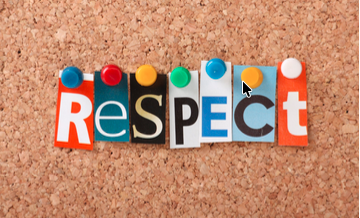
“People will work for money,” Greer says, “but they’ll die for respect and recognition.” And respect looks different today. It might mean being listened to, acknowledged, or simply treated as a person, not a cog.
Greer stressed the importance of knowing what your team values. “If you don’t understand what respect means to your people, you’re already at risk.”
Misconceptions That Hurt Leaders
Two common myths:
Employees only unionize for more money. Younger workers often want purpose, not just pay.
Union drives only happen in toxic workplaces. Greer says he’s worked with companies where employees said, “We love our job, our benefits, and our managers.” Still, they organized, because of what they saw happening elsewhere.
Employers also need to remember that social media amplifies union organizing efforts. “The hashtag changed everything,” he says. Hashtags like #UnionReady and #Solidarity link workers across industries, making organizing a movement, not just a moment.
Early Warning Signs
1. Silence. If employees stop talking, it’s a red flag.
2. Private digital chatter. More phone use and less direct communication.
3. Too-positive surveys. Unions sometimes coach employees to give glowing survey answers to avoid detection.
What Leaders Can Do
“Stop assuming you know what employees want,” Greer advises. “Ask them directly, and act on what they say.”
Millennials and Gen Z will speak their mind. “They want to be heard and valued. If you ignore that, you’re creating the conditions for a union without knowing it.”
The Zombie Employee Threat
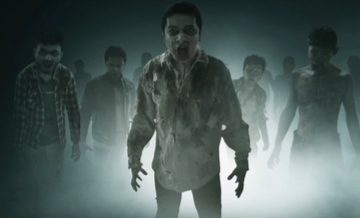
Greer warns leaders not to fixate only on unionization. “Even if a union doesn’t come, you could end up with a workforce full of zombie employees, clocking in, doing the bare minimum, but bringing no passion or innovation.”
That costs far more than union elections ever will.
Final Thoughts
Most employees don’t wake up wanting a union. They wake up wanting to matter. “If your culture doesn’t make them feel seen, valued, and respected, someone else will,” Greer says.
His advice to leaders? Don’t wait for the union vote. Win the hearts and minds of your team now.